



Understanding the Basics of Cryptocurrency
Before diving into your crypto lead-in to coin, it’s crucial to grasp what cryptocurrency actually is. At its core, crypto represents a shift from traditional finance, offering decentralized alternatives to money and payments.
What is Cryptocurrency?
Cryptocurrency is a digital or virtual form of currency secured by cryptography, making it nearly impossible to counterfeit or double-spend. Unlike fiat currencies like the U.S. dollar, which are controlled by governments and banks, cryptocurrencies operate on decentralized networks based on blockchain technology. This blockchain is essentially a distributed ledger that records all transactions across a network of computers, ensuring transparency and security.
Bitcoin, the first cryptocurrency, was introduced in 2009 by an anonymous creator known as Satoshi Nakamoto. Today, there are thousands of cryptocurrencies, often called “coins” or “tokens,” each serving different purposes. For instance, some focus on fast payments, while others power smart contracts or decentralized applications. As we discussed earlier in the intro, the market’s growth highlights why now might be a great time for your crypto lead-in to coin.
The Evolution of Crypto Coins
The journey of crypto coins has been nothing short of revolutionary. Starting with Bitcoin as a peer-to-peer electronic cash system, the space evolved rapidly. By 2015, Ethereum introduced smart contracts, allowing for programmable money and spawning a wave of altcoins (alternative coins to Bitcoin).
Fast forward to 2025, and we’re seeing innovations like layer-2 scaling solutions and integration with real-world assets. The total crypto market cap has fluctuated but shown resilience, with Bitcoin alone valued at over $2.2 trillion in recent charts. This evolution underscores the importance of a solid crypto lead-in to coin strategy—understanding history helps you spot future opportunities.
Key milestones include:
- 2009: Bitcoin’s launch.
- 2017: The ICO boom, where new coins raised billions.
- 2021: NFT and DeFi explosions.
- 2025: Increased institutional adoption, with firms like BlackRock holding significant crypto positions.
If you’re just starting, focus on blue-chip coins like Bitcoin and Ethereum for stability.
Key Terms Every Beginner Should Know
Navigating crypto jargon can feel overwhelming, but mastering a few basics will smooth your lead-in to coin. Here’s a quick rundown:
- Blockchain: The underlying technology—a chain of blocks containing transaction data.
- Wallet: A digital tool to store, send, and receive crypto. More on types later.
- Exchange: Platforms where you buy/sell crypto, like Coinbase or Binance.
- Mining: The process of validating transactions and adding them to the blockchain, often rewarding miners with new coins.
- Volatility: Crypto prices can swing wildly, offering high rewards but also risks.
Armed with these, you’re ready to explore deeper.
Why Consider a Crypto Lead-In to Coin in 2025?
The timing for your crypto lead-in to coin couldn’t be better. With regulatory clarity improving and mainstream adoption surging, 2025 is shaping up as a pivotal year.
Current Market Trends and Statistics
The crypto market is buzzing. Bitcoin recently reclaimed $110K, and altcoins are gaining strength amid a broader recovery. The altcoin market cap alone sits at about $610 billion as of late August 2025, part of a total market exceeding $3.94 trillion.
Institutional interest is a big driver. ETFs for Bitcoin and Ethereum have attracted billions in inflows, making crypto more accessible. Plus, with global economic uncertainties, many see crypto as a hedge against inflation—similar to gold but digital.
Benefits of Starting Your Crypto Journey
Entering via a crypto lead-in to coin offers several perks:
- Potential for High Returns: Historical data shows early adopters reaping massive gains.
- Diversification: Add crypto to your portfolio for balance against stocks and bonds.
- Innovation Access: Engage with DeFi, NFTs, and Web3 technologies.
- Global Reach: Borderless transactions appeal to international users.
However, as we’ll cover in risks, it’s not without challenges. For more on market trends, check out CoinMarketCap’s live charts.
Challenges in the Current Landscape
Despite the hype, barriers like high volatility and scams persist. But with education, these become manageable. As regulations tighten—more on that soon— the space is becoming safer for newcomers.

FOR MORE INFORMATION ABOUT CRYPTO VISIT : Introduction to crypto
Step-by-Step Guide to Your Crypto Lead-In to Coin
Ready to take action? This section outlines practical steps for your crypto lead-in to coin, based on expert recommendations for 2025.
Step 1: Educate Yourself Thoroughly
Start by building knowledge. Read beginner guides, watch tutorials, and follow reputable sources. Resources like Coursera’s cryptocurrency course can demystify how crypto works. Understand that crypto isn’t just about buying low and selling high—it’s about long-term value.
Step 2: Choose the Right Crypto Wallet
A wallet is your gateway. Types include:
- Hardware Wallets: Offline devices like Ledger or Trezor for top security. Recommended for holding large amounts.
- Software Wallets: Apps like Exodus (best overall) or Zengo (beginner-friendly).
- Mobile Wallets: Convenient for on-the-go, but less secure.
- Desktop Wallets: For advanced users, like Sparrow for Bitcoin focus.
In 2025, opt for wallets with multi-factor authentication and recovery phrases. Tangem and Ledger Flex are highly rated for their security features.
Step 3: Select a Reliable Crypto Exchange
Exchanges are where the action happens. Top picks for 2025:
- Coinbase: Best for beginners with an intuitive interface and strong security.
- Kraken: Trusted, ranked best by Forbes Advisor, with low fees.
- Binance: Great for variety, but check regional availability.
- Gemini: Secure and user-friendly for buying Bitcoin and Solana.
Look for regulated platforms with insurance against hacks. NerdWallet highlights Coinbase for staking rewards.
Step 4: Fund Your Account and Make Your First Purchase
Link a bank account or use a debit card to deposit fiat. Start small—perhaps $100 in Bitcoin or Ethereum. Use dollar-cost averaging (DCA): Invest fixed amounts regularly to mitigate volatility. Platforms like Schwab advise swapping dollars for crypto on exchanges first.
Step 5: Secure and Monitor Your Investments
Enable 2FA, use cold storage for long-term holds, and track via apps like CoinMarketCap. Diversify across 5-10 coins to spread risk.
This step-by-step approach ensures a smooth crypto lead-in to coin, minimizing beginner mistakes.
Top Crypto Coins to Watch in 2025
As part of your crypto lead-in to coin, knowing which coins to eye is key. Based on market analysis, here are standouts for 2025.
Bitcoin (BTC): The King of Crypto
Market cap: Over $2.2 trillion. As the original, Bitcoin remains a safe entry point. Its scarcity (21 million cap) drives value, especially with halving events.
Ethereum (ETH): Powering the Future
With a $521 billion market cap, Ethereum leads in smart contracts and DeFi. Upgrades like Ethereum 2.0 enhance scalability, making it a must-watch.
Solana (SOL): Speed and Efficiency
Known for low fees and fast transactions, Solana’s ecosystem is booming. It’s projected to grow with NFT and gaming integrations.
Other Promising Altcoins
- XRP (Ripple): Focuses on cross-border payments, with strong regulatory wins.
- Chainlink (LINK): Enables real-world data for blockchains.
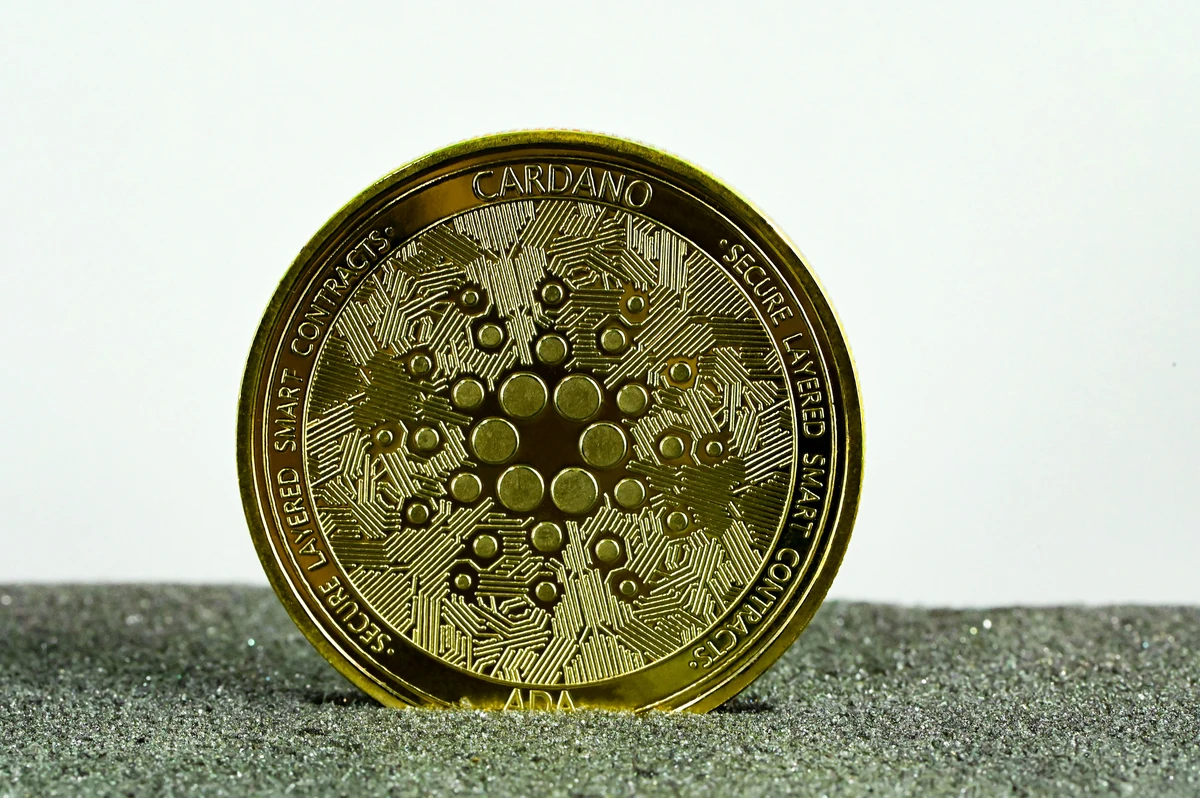
- Cardano (ADA): Emphasizes sustainability and research-driven development.
- Polkadot (DOT): Connects multiple blockchains for interoperability.
- Avalanche (AVAX): High-speed platform for custom networks.
Experts forecast these could see significant gains, but research each. For long-term holds, CoinLedger recommends Bitcoin, Ethereum, and Solana.
Risks Involved in Crypto Investments
No crypto lead-in to coin is complete without addressing risks. Crypto’s volatility can lead to substantial losses, as seen in past crashes.
Volatility and Market Fluctuations
Prices swing wildly—Bitcoin dropped 70% in 2022 but rebounded. Invest only what you can afford to lose.
Security Threats: Hacks and Scams
Hacks on exchanges and phishing are common. State regulators cite crypto-tied investments as a top threat in 2025. Use hardware wallets to mitigate.
Regulatory and Legal Risks
Uncertain rules can impact values. In 2025, new U.S. laws like the GENIUS Act regulate stablecoins, aiming for stability.
Environmental and Ethical Concerns
Mining’s energy use is debated, though greener alternatives emerge.
To counter these, diversify and stay informed.
Navigating Cryptocurrency Regulations in 2025
Regulations are evolving, making your crypto lead-in to coin safer.
U.S. Regulatory Landscape
The SEC’s 2025 agenda includes clearer rules for crypto securities and exchanges. The Crypto Task Force aims to distinguish securities from non-securities. States like California have passed bills on digital assets.
Global Perspectives
Europe’s MiCA framework standardizes rules, while Hong Kong’s Stablecoin Ordinance boosts confidence. Trump’s executive order in January 2025 pushed for innovation.
Stay compliant by using regulated platforms.
Impact on Investors
These changes reduce fraud but may increase taxes. Consult a financial advisor.
Best Practices for Secure Crypto Investing
To succeed in your crypto lead-in to coin:
- Use Strong Security: 2FA, unique passwords.
- Dollar-Cost Average: Spread investments.
- Research Thoroughly: Avoid hype; use tools like CoinGecko.
- Diversify: Don’t put all eggs in one coin.
- Learn from Communities: Forums like Reddit, but verify info.
Control emotions—fear and greed drive bad decisions.
Advanced Tips for After Your Initial Lead-In
Once comfortable, explore:
- Staking: Earn rewards on holdings, like on Uphold.
- DeFi Platforms: Lend or borrow via Aave.
- NFTs and Metaverse: Emerging sectors.
- Tax Implications: Track transactions for IRS reporting.
Build a portfolio aligned with goals.
Conclusion: Embark on Your Crypto Lead-In to Coin Today
Wrapping up, the crypto lead-in to coin is about education, caution, and opportunity. From basics to top coins like Bitcoin and Ethereum, you’ve got the tools to start. With the market at $3.91 trillion and regulations improving, 2025 holds promise—but remember the risks.
If this guide sparked your interest, take the next step. Sign up for a beginner-friendly exchange like Coinbase today and begin your journey. Stay curious, invest wisely, and who knows? You might just ride the next wave.
For more insights, subscribe to our newsletter or explore related posts on crypto strategies.
FOR MORE INFORMATION VISIT : FTECH
FAQS
What is a crypto lead-in to coin?
A crypto lead-in to coin refers to the introductory process of entering the cryptocurrency world, focusing on understanding and investing in coins like Bitcoin. It’s your gateway to digital assets.
How do I start investing in crypto in 2025?
Begin by educating yourself, choosing a secure wallet and exchange, funding your account, and making small purchases. Use DCA to manage risks.
What are the top risks of crypto investments?
Key risks include volatility, hacks, scams, and regulatory changes. Always invest responsibly.
Which crypto coins should I watch in 2025?
Look at Bitcoin, Ethereum, Solana, XRP, and Chainlink for potential growth.
Are there new regulations for crypto in 2025?
Yes, U.S. laws like the GENIUS Act and SEC updates aim to clarify rules and protect investors.
What’s the best crypto wallet for beginners?
Zengo or Exodus are great starters, with hardware options like Ledger for added security.